
Staying fit and maintaining a healthy lifestyle require regular exercise, balanced nutrition, and proper recovery. However, many people struggle to understand where to start and how to build a sustainable fitness routine. The fitness guide thespoonathletic is a useful search topic for readers interested in workout strategies, physical fitness, nutrition, and everyday wellness.
Fitness is not only about building muscles or losing weight. It also involves improving stamina, developing strength, maintaining flexibility, and supporting overall health. A balanced fitness routine can help people become more active and confident in their daily lives.
In this article, we explore the main fitness principles, beginner-friendly exercises, nutrition habits, recovery methods, and practical tips for developing a healthy lifestyle.
1. What Is Fitness Guide TheSpoonAthletic?
Fitness Guide TheSpoonAthletic focuses on fitness-related information and healthy lifestyle topics associated with TheSpoonAthletic. It provides a useful subject for readers exploring exercise routines, strength development, workout planning, and nutrition.
The main areas covered in a general fitness guide include:
- Beginner-friendly workout routines.
- Strength training and muscle development.
- Cardio exercises and endurance.
- Healthy eating and nutritional balance.
- Hydration and recovery.
- Flexibility and mobility exercises.
- Daily fitness habits and motivation.
The purpose of following fitness information is to understand how different activities contribute to physical well-being and how to maintain consistent exercise habits.
2. Importance of Regular Exercise
Regular physical activity is one of the most important parts of a healthy lifestyle. It helps the body remain active and supports several aspects of physical and mental well-being.
Some important benefits include:
Improved cardiovascular health: Walking, cycling, swimming, and other aerobic activities help improve heart and lung fitness.
Better muscle strength: Resistance exercises help develop and maintain muscle strength.
Healthy body composition: Combining regular activity with balanced nutrition supports healthy weight management.
Improved flexibility: Stretching and mobility exercises help maintain comfortable movement.
Better mental well-being: Physical activity can improve mood and help reduce everyday stress.
Increased stamina: Consistent exercise can make daily activities easier and improve physical endurance.
Regular exercise should be appropriate for your age, fitness level, and health condition.
3. Best Workout Exercises for Beginners
Beginners do not need expensive equipment or complicated workout programs to start exercising. Simple movements can provide a good foundation.
Here are some useful beginner-friendly exercises:
| Exercise | Main Benefit |
| Walking | Supports cardiovascular fitness |
| Squats | Strengthens leg muscles |
| Push-ups | Develops upper-body strength |
| Planks | Strengthens core muscles |
| Lunges | Improves leg strength and balance |
| Cycling | Builds cardiovascular endurance |
| Stretching | Supports flexibility |
Start with manageable repetitions and focus on correct technique. Increase exercise intensity gradually as your fitness improves.
If an exercise causes sharp pain, stop and seek appropriate professional guidance.
4. Strength Training for Muscle Development
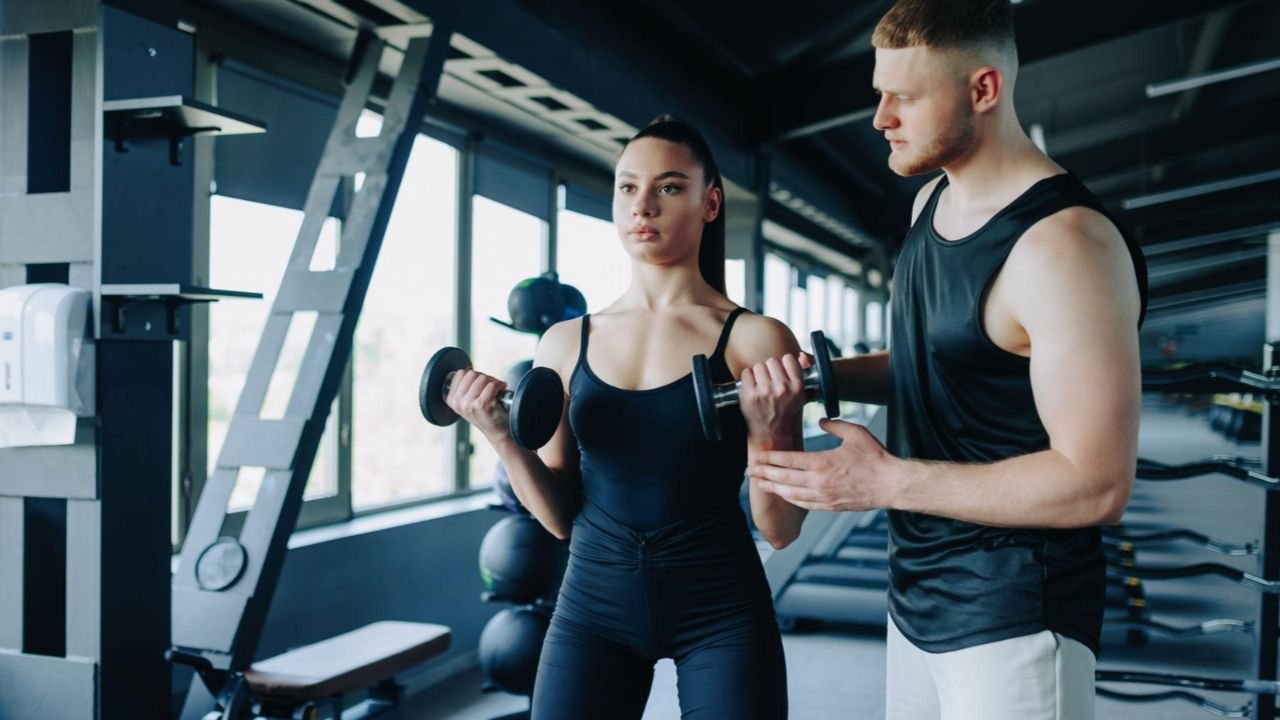
Strength training is an important part of a balanced fitness program. It involves using resistance to make muscles work harder.
You can perform strength exercises using body weight, resistance bands, dumbbells, or gym equipment.
Important benefits of strength training include:
- Developing stronger muscles.
- Supporting bone health.
- Improving balance and coordination.
- Maintaining functional fitness.
- Making everyday physical activities easier.
Beginners can start with bodyweight squats, wall push-ups, modified push-ups, and simple core exercises.
Proper exercise form is more important than lifting heavy weights. Allow sufficient recovery between demanding strength-training sessions.
5. Cardiovascular Exercises for Better Stamina
Cardiovascular exercise helps improve endurance and supports heart and lung fitness.
Some popular cardio activities include:
- Brisk walking.
- Running and jogging.
- Swimming.
- Cycling.
- Dancing.
- Playing outdoor sports.
For most adults, health guidelines recommend at least 150 minutes of moderate-intensity aerobic activity every week.
You do not need to complete all your exercise in one session. You can divide your weekly activity into shorter sessions that fit your schedule.
For beginners, walking for 15–20 minutes can be a practical starting point.
6. Importance of Nutrition in Fitness
Exercise and nutrition work together. Your body needs appropriate nutrients to support energy production, muscle maintenance, and normal physical functions.
A balanced diet should include protein, carbohydrates, healthy fats, vitamins, minerals, and sufficient water.
Protein-Rich Foods
Protein supports muscle maintenance and repair.
Good sources include:
- Eggs.
- Milk and yogurt.
- Paneer and tofu.
- Chicken and fish.
- Lentils and beans.
- Nuts and seeds.
Healthy Carbohydrates
Carbohydrates provide energy for physical activity.
Include foods such as:
- Brown rice.
- Oats.
- Whole-wheat bread.
- Potatoes.
- Fruits.
- Vegetables.
Healthy Fats
Healthy fats support several important body functions, including nutrient absorption.
Useful food sources include almonds, walnuts, seeds, olive oil, and fatty fish.
Avoid following extreme diets without professional advice. A balanced and varied eating pattern is generally more sustainable.
7. Hydration and Recovery
Hydration is essential for maintaining normal body functions during physical activity.
When you exercise, your body loses water through sweating. Drinking enough fluids helps replace these losses.
Useful hydration habits include:
- Drink water regularly throughout the day.
- Drink fluids before and after exercise.
- Increase fluid intake during hot weather when needed.
- Pay attention to thirst and sweating.
- Avoid ignoring signs of dehydration.
Why Is Recovery Important?
Recovery gives your body time to adapt to exercise.
Some useful recovery habits include:
- Getting approximately 7–9 hours of sleep each night as an adult.
- Taking rest days when necessary.
- Eating balanced meals.
- Staying hydrated.
- Avoiding excessive training.
- Including gentle stretching or light activity.
Good recovery habits can help make your fitness routine more sustainable.
8. How to Create a Weekly Fitness Routine
Following a weekly schedule can make fitness easier to manage. A balanced routine should include strength training, cardiovascular activities, and recovery.
Here is an example of a beginner-friendly weekly fitness schedule:
| Day | Workout Plan |
| Monday | Full-body strength training |
| Tuesday | Walking or cycling |
| Wednesday | Strength training |
| Thursday | Light cardio and stretching |
| Friday | Full-body workout |
| Saturday | Swimming or outdoor activities |
| Sunday | Rest and recovery |
This is a general example. Adjust the schedule according to your physical condition, experience, and available time.
If you are new to exercise, begin with fewer sessions and gradually increase your activity.
9. Common Fitness Mistakes to Avoid
Many people make mistakes when starting a fitness journey. Avoiding these habits can help improve consistency and reduce unnecessary injury risks.
Skipping warm-ups: Prepare your body with light activity before demanding workouts.
Expecting quick results: Physical improvements require time and consistency.
Ignoring nutrition: Exercise should be supported by balanced eating habits.
Lifting excessive weights: Focus on correct technique before increasing resistance.
Not getting enough sleep: Poor recovery can affect exercise performance.
Following unrealistic workout plans: Choose activities that match your abilities and daily schedule.
Remember that fitness is a long-term process rather than a short-term challenge.
10. Practical Tips for Maintaining a Healthy Lifestyle
Developing healthy habits outside the gym is equally important.
Follow these practical suggestions:
- Walk regularly instead of remaining inactive for long periods.
- Choose balanced home-cooked meals.
- Include fruits and vegetables in your diet.
- Maintain a consistent sleep schedule.
- Reduce excessive screen time.
- Set realistic weekly fitness goals.
- Track your exercise progress.
- Make time for outdoor activities.
Small improvements in everyday habits can support long-term physical well-being.
Read More: ETrueSports.com || Gaming PlayMyWorld || G15Tools Com Gadget
Frequently Asked Questions (FAQs)
1. What is fitness guide thespoonathletic?
Fitness guide thespoonathletic is a search topic related to fitness information associated with TheSpoonAthletic, including exercise, nutrition, strength training, and healthy living.
2. Is TheSpoonAthletic useful for beginners?
Its fitness-related topic is relevant to beginners looking for general information about workouts, exercise habits, and nutrition. Beginners should select activities suitable for their abilities.
3. Which exercises are best for beginners?
Walking, squats, modified push-ups, planks, cycling, and stretching are useful starting exercises.
4. How many days should I exercise each week?
The ideal schedule depends on your fitness level. Most adults should aim for recommended weekly aerobic activity and muscle-strengthening exercises on at least two days.
5. Is nutrition important for muscle development?
Yes. Protein, carbohydrates, healthy fats, vitamins, minerals, and adequate hydration all contribute to normal body functions and physical performance.
Conclusion
The fitness guide thespoonathletic keyword covers important areas of exercise, nutrition, strength training, and healthy living. Understanding these subjects can help readers develop better fitness habits and make informed decisions about their daily routines.
A successful fitness journey does not depend on complicated exercises or extreme diets. Regular physical activity, balanced nutrition, proper hydration, sufficient sleep, and realistic goals create a strong foundation for long-term wellness.
Start with simple changes, remain consistent, and gradually improve your routine according to your physical abilities.
